Property Protection Guide for Snail Lake
Emergency board-up in Snail Lake is a temporary property protection option when broken windows, damaged doors, or exposed openings leave a building vulnerable. This guide is for owners and managers of homes near wooded streets and lake areas in the Mounds View and North Metro area. A board-up may help reduce exposure while a permanent repair is planned. If there is an active fire, unstable structure, gas leak, downed power line, or immediate threat to anyone’s safety, call emergency services first. To request help, provide the address and describe the damage. Scheduling depends on availability and safe access.
When might a property in Snail Lake need boarding?
Common situations include fallen branches, damaged windows, and exposed garage openings. A broken opening can let in wind, rain, and debris, and may leave a property easier to enter. Temporary boarding is not the same as replacing a window or repairing a door. It is a short-term measure while the property owner works with the appropriate trade. The size of the opening, the condition of the frame, and the surrounding materials determine what is possible. A damaged wall or unstable support must be assessed before work starts.
Broken windows and door openings
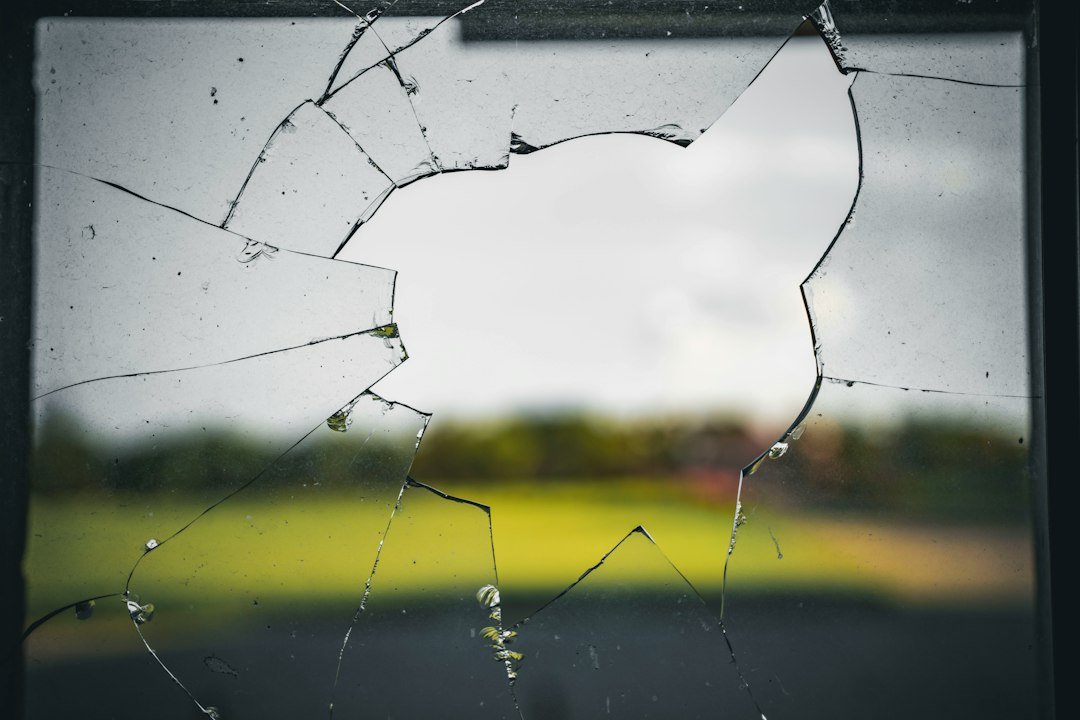
A shattered pane may still have sharp pieces hanging in the frame. Keep people and pets away, and do not pull out glass without proper equipment and training. A damaged entry door can have problems beyond the visible glass, including a broken lock or split jamb. Tell the provider whether the door is needed for daily access or emergency escape. A temporary covering must not block a required exit. Permanent window or door repairs should be arranged promptly.
Storm damage and fallen branches
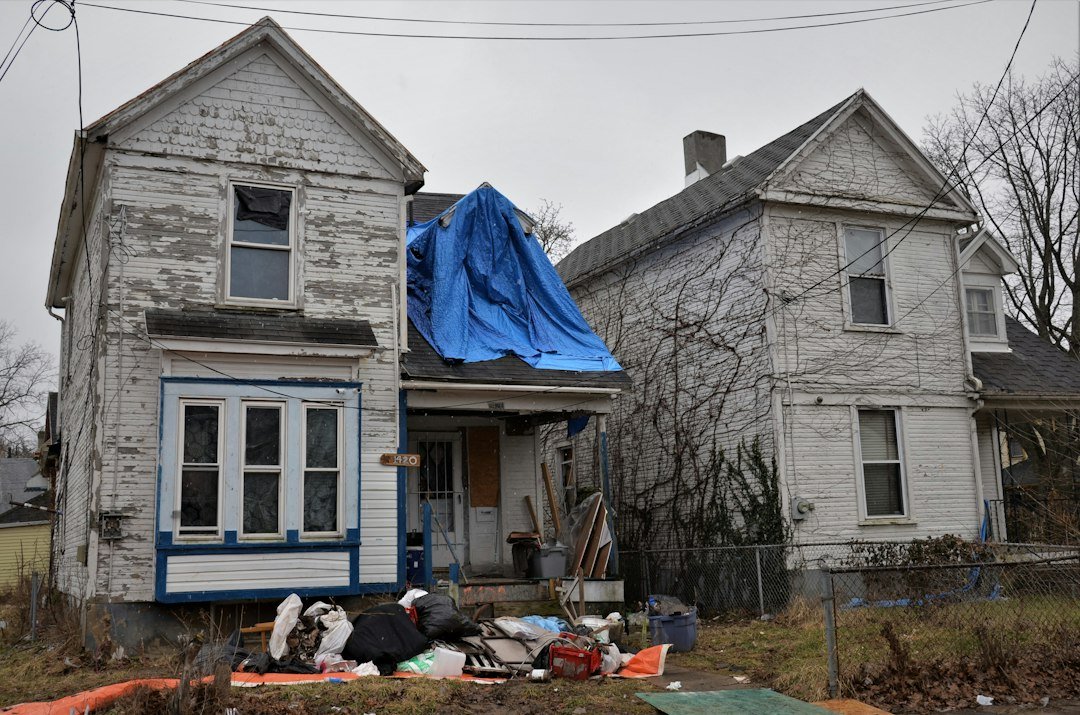
Strong wind, hail, and falling branches can damage windows, garage openings, or parts of a roof. Photograph visible damage from a safe location. Do not climb onto a roof, stand beneath hanging limbs, or approach damaged utility lines. If water has entered the building, move belongings only if the area is safe and there are no electrical hazards. Temporary board-up may cover an exposed opening, while roof tarping or structural repair may require separate specialists and safety checks.
Break-ins, vandalism, and accidental impacts
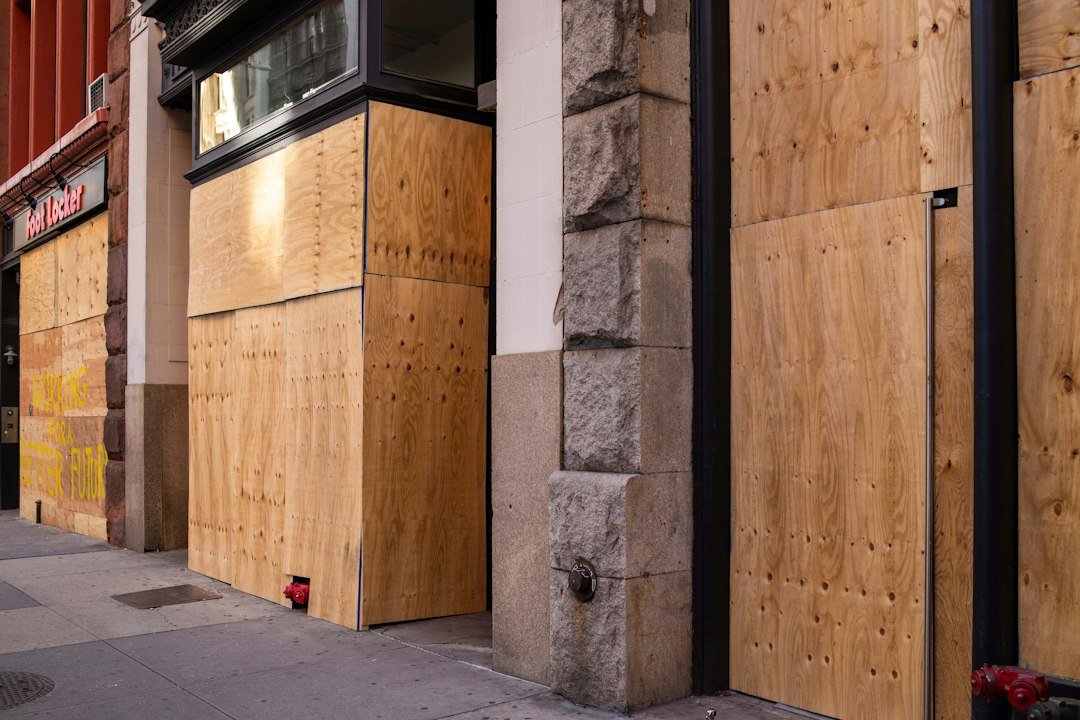
After a break-in, contact police when appropriate and wait until the scene is released before arranging work. Storefront glass and exterior doors can also be damaged by vandalism or vehicle impacts. If a vehicle struck a wall or support, a qualified professional may need to evaluate the structure. Explain whether the property is occupied and whether access is restricted. Keeping clear notes and safe photographs can help with later repairs and any insurance claim.
Residential, rental, and commercial requests
Snail Lake property requests may involve homes near wooded streets and lake areas. Homeowners usually know the affected room and can describe the window or door. Rental property managers should identify the unit and who can authorize access. Commercial property managers may need to provide alarm instructions, entry permissions, or details about a shared storefront. Upper-level openings can require special access equipment. The safest temporary method should be based on the actual building rather than a standard assumption.
How to request emergency property protection
Start with the full street address and a reliable callback number. Explain whether the damage affects a window, door, garage, storefront, or roof area. Include the number of openings, their approximate size, and whether broken glass or framing remains loose. Tell us if police, firefighters, or utilities are still working at the property. You may provide photographs if they can be taken safely. A request is not confirmation of dispatch; ask about availability, scope, and costs before authorizing work.
Cost, timing, and permanent repairs
Pricing can change with opening size, the number of damaged areas, work height, materials, access, and site conditions. A first-floor home window is different from a large commercial glass panel. Weather and current workload also affect scheduling. Once a temporary covering is installed, arrange permanent repairs with a glazier, door specialist, roofer, or other qualified professional. A board-up does not guarantee the building is watertight or fully secure. Check the covering if it loosens or leaks.
Insurance and documentation
Some insurance policies may cover reasonable temporary protection after a covered loss. Coverage depends on the policy, deductible, exclusions, and cause of damage. Keep receipts, safe photographs, and notes about when the incident occurred. Ask the insurer what documentation it needs. If you are a tenant, coordinate with the property owner or manager. No contractor can guarantee claim approval or reimbursement, and temporary work should not be confused with the final restoration.
Nearby city pages and practical preparation checklist
Emergency board-up requests are easier to review when the owner or property manager provides a clear description of the affected opening. The following checklist can help you gather the right details before calling. Do not enter an unsafe building or touch broken glass to collect information.
- Confirm the full property address, including the city and any unit or suite number.
- Identify whether the damage affects a window, door, storefront, garage opening, or roof area.
- Estimate the number of exposed openings and describe their approximate size.
- Explain whether water is entering, glass remains loose, or access is restricted.
- Have a contact person ready who can authorize access and approve the work.
- Keep photographs and receipts for future repairs or insurance discussions.
Board-up is a temporary measure, not a guarantee against weather or entry. The surrounding frame, safe fastening points, and any structural damage affect what can be done. If a building official, firefighter, or utility company has restricted access, wait until the property is released. For permanent work, contact a qualified repair specialist. Compare nearby city guidance below; each page describes common property protection questions and how to request an assessment.
- Emergency board-up in Shoreview, MN
- Emergency board-up in Arden Hills, MN
- Emergency board-up in Roseville, MN
- Emergency board-up in New Brighton, MN
- Emergency board-up in North Oaks, MN
Five common board-up questions in Snail Lake
Can I ask for help after hours?
Yes, you can submit a request or call about urgent damage. Actual scheduling depends on crew availability, weather, travel, and whether the site can be accessed safely. Confirm the next step directly rather than assuming that an online form dispatches a crew.
Will boarding stop all rain and unwanted entry?
No. Temporary covering may reduce exposure but cannot guarantee complete weatherproofing or security. Water may already be inside walls or floors. Arrange permanent repairs and any needed drying as soon as practical.
Can you cover a damaged commercial opening?
Commercial windows and doors may be candidates for temporary protection. Large glass systems and damaged frames need careful assessment. Explain whether the opening is part of an active entrance or shared access route.
What if the frame is unsafe?
Do not work around unstable framing or a shifted wall. A qualified building professional may need to assess the damage before temporary protection can be installed. Keep others away from the affected area.
Does insurance pay for a temporary board-up?
Some policies may cover mitigation after a covered event, but terms vary. Keep photos and invoices and contact your insurance representative. Ask about the deductible and any documentation required for the claim.
Request board-up information for Snail Lake
Call to describe the damage or use the online request form with the property location. For the wider area, return to the North Metro service areas hub. If you need a specific type of temporary protection, review the service descriptions. Always address life-safety emergencies first.